Address
AL Khobar City, Eastern Province
Corniche, Tamir 6927-Corniche District

Address
AL Khobar City, Eastern Province
Corniche, Tamir 6927-Corniche District
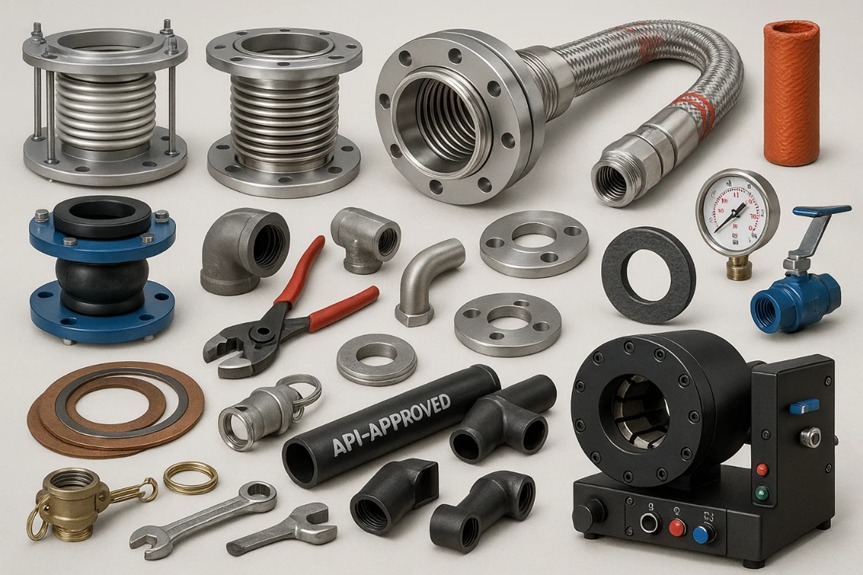
Safety items are essential components in any workplace where employees are exposed to potential risks. They are designed to protect individuals from injuries, accidents, and health hazards, ensuring a safer and more productive working environment. From industrial sites to construction projects and workshops, safety items play a critical role in maintaining compliance with safety regulations and protecting human lives.
Safety items, also known as personal protective equipment (PPE), are tools and garments used to minimize exposure to workplace hazards. These hazards may include physical, chemical, electrical, or environmental risks. Proper use of safety items significantly reduces the likelihood of accidents and long-term health issues.
Safety items come in various forms, each serving a specific protective purpose:
Safety items are widely used in many sectors, including:
Using appropriate safety items offers several advantages:
High-quality safety items are manufactured according to recognized international standards such as ISO, ANSI, and EN. Selecting certified safety equipment ensures reliable protection, durability, and legal compliance.
When selecting safety items, consider the following factors:
Safety items are not optional; they are a fundamental requirement for any safe working environment. Investing in reliable and certified safety equipment helps protect lives, reduce risks, and create a secure workplace that meets professional and regulatory standards.