Mechanical and Electrical Items
Mechanical and electrical items are fundamental components in industrial, commercial, and residential applications. They are used for construction, manufacturing, maintenance, and repair, enabling machines, systems, and infrastructure to function efficiently and safely. Understanding their types, applications, and importance is essential for ensuring operational reliability and workplace safety.
Mechanical Items
Mechanical items include tools, components, and equipment used to perform physical work, support machinery, or facilitate movement. They are essential in mechanical engineering, manufacturing, construction, and automotive industries.
Common Mechanical Items:
- Bearings and Gears: Facilitate motion and reduce friction in machines.
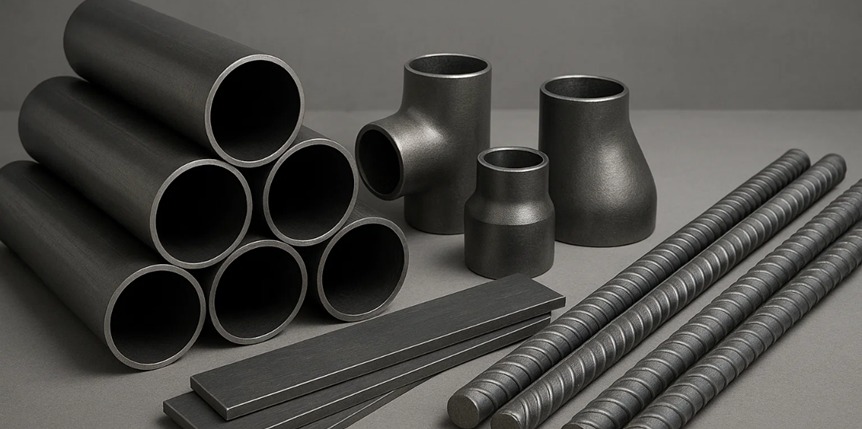
- Pipes and Fittings: For fluid transportation in industrial systems.
- Fasteners: Bolts, nuts, screws, and washers used for assembling components.
- Pumps and Valves: Control the flow of liquids and gases.
- Hydraulic and Pneumatic Components: Used in machinery and automation systems.
- Hand and Power Tools: Wrenches, hammers, spanners, and drills for maintenance and assembly.
Applications of Mechanical Items:
- Manufacturing and production lines
- Automotive repair and assembly
- HVAC systems and plumbing
- Industrial machinery maintenance
Electrical Items
Electrical items are components and equipment that manage, distribute, or utilize electrical energy. They are essential in powering machinery, lighting, communication, and automation systems across industries.
Common Electrical Items:
- Wires and Cables: For electrical connections and power distribution.
- Switches and Sockets: Control electrical flow in systems and devices.
- Circuit Breakers and Fuses: Protect electrical systems from overloads and short circuits.
- Motors and Generators: Convert electrical energy to mechanical energy and vice versa.
- Transformers: Adjust voltage levels for safe power transmission.
- Lighting and Fixtures: Provide illumination in industrial, commercial, and residential areas.
- Sensors and Relays: Key components in automation and control systems.
Applications of Electrical Items:
- Industrial and commercial electrical systems
- Residential and office wiring
- Machinery and automation
- Power generation and distribution networks
Importance of Mechanical and Electrical Items
Mechanical and electrical items are crucial for:
- Ensuring smooth operation of machinery and systems
- Enhancing productivity and efficiency
- Preventing accidents and system failures
- Supporting modern industrial automation
- Reducing maintenance costs through durable components
Choosing Quality Mechanical and Electrical Items
When selecting these items, consider:
- Material strength and durability for mechanical components
- Compliance with international electrical safety standards (IEC, ANSI, UL)
- Compatibility with existing systems and equipment
- Maintenance requirements and ease of installation
Conclusion
Mechanical and electrical items form the backbone of industrial, commercial, and residential operations. Using high-quality, certified components ensures reliability, safety, and efficiency across all applications. Investing in the right mechanical and electrical items guarantees long-term performance and reduces operational risks.